Strategic Consulting Tailored to Your Objectives
At Altius Transportation Compliance LLC, our approach to transportation compliance is built around three essential steps: Assess. Train. Monitor.
This continuous approach is designed to help businesses operating commercial motor vehicles build a stronger safety culture, maintain regulatory compliance, and operate with greater confidence.
ASSESS: We begin by assessing your company’s current operations and identifying potential compliance gaps involving applicable Title 49 CFR, FMCSA, DOT, and PHMSA requirements.
TRAIN: Once areas for improvement are identified, we provide practical, targeted training for drivers, management, and employees so they understand both their regulatory responsibilities and how to apply them in their daily operations.
MONITOR: After compliance standards are established, Altius provides ongoing monitoring to help your company maintain those standards, identify new or recurring issues, and address potential problems before they become violations or enforcement concerns.
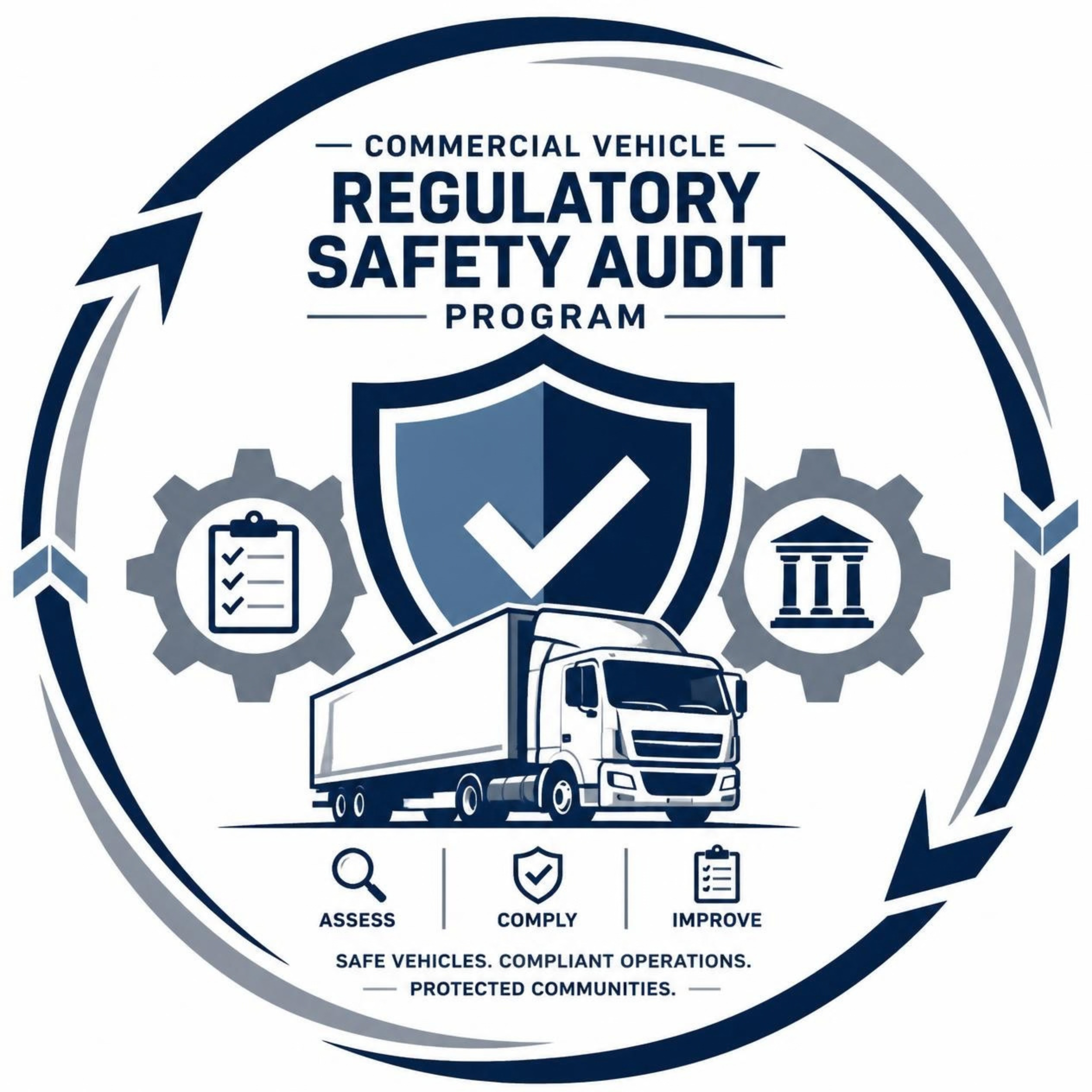
Assess: Operational Efficiency Audit and Review
Altius Transportation Compliance LLC provides comprehensive safety and compliance audits designed to help trucking companies identify and correct potential regulatory violations before they result in costly penalties, roadside violations, or enforcement action. Our audits evaluate a company’s operations against applicable requirements under Title 49 of the Code of Federal Regulations (49 CFR), including FMCSA regulations governing commercial motor vehicle drivers, vehicles, records, maintenance, inspections, hours of service, and cargo securement. For companies involved in the transportation of hazardous materials, audits also address applicable DOT and PHMSA requirements, including hazardous materials documentation, shipping papers, classification, marking, labeling, placarding, loading and unloading procedures, and emergency response information. Drawing on more than 6,500 commercial motor vehicle inspections and extensive federal regulatory enforcement experience, Altius provides an objective, practical review of your operation, identifies areas of risk, and provides recommendations to help improve compliance, strengthen safety practices, and prepare your company for regulatory inspections and audits.
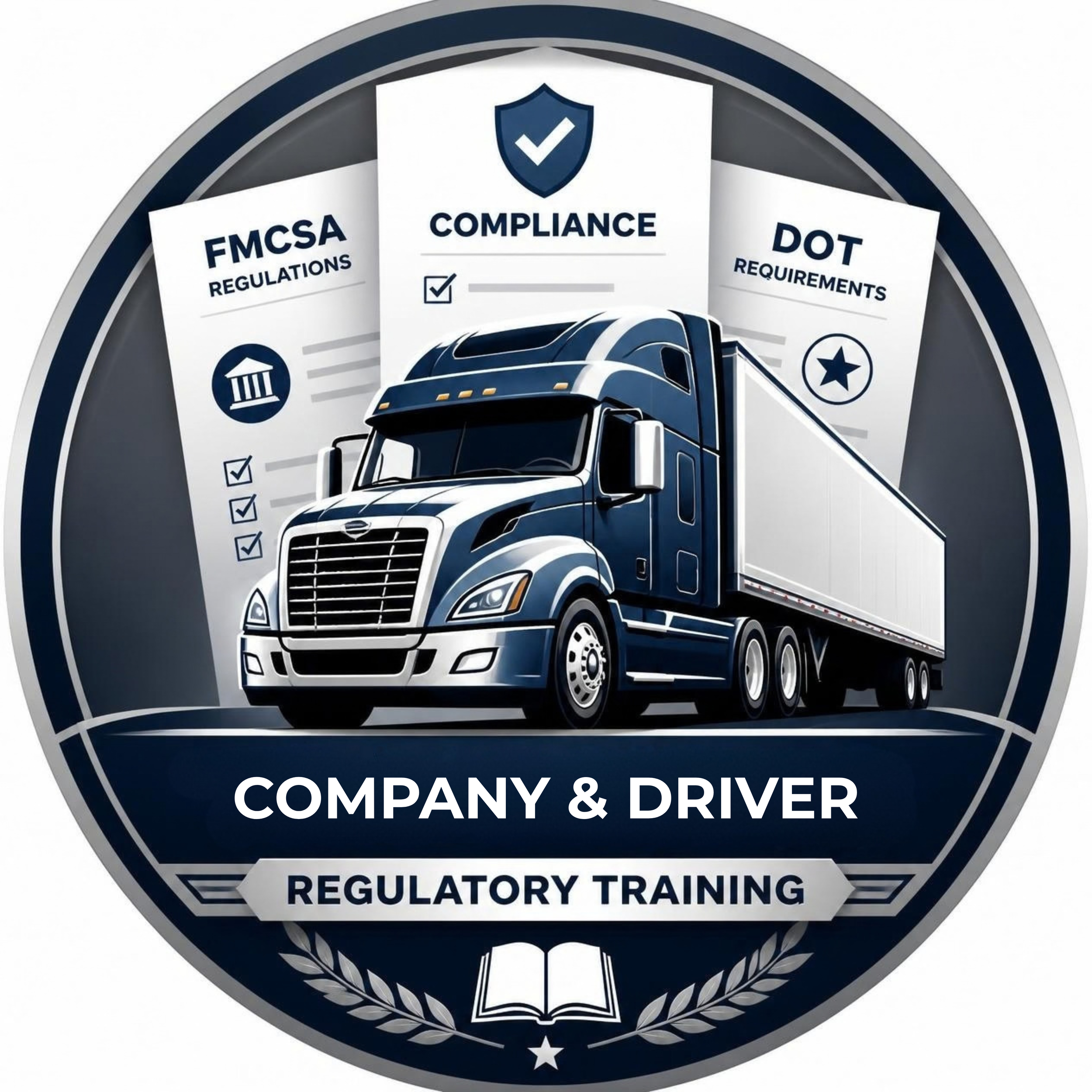
Train: Training for Company Employees and Drivers
Our training can help your company:
Reduce roadside inspection violations by teaching drivers what inspectors look for and how to properly maintain required records and equipment.
Improve pre-trip and post-trip inspections by helping drivers recognize safety defects and understand their responsibilities for reporting and documenting vehicle conditions.
Strengthen Hours-of-Service compliance by educating drivers and management on applicable driving, on-duty, off-duty, and electronic logging requirements.
Improve driver qualification compliance by reviewing required documentation, qualifications, and responsibilities for commercial motor vehicle drivers.
Improve vehicle maintenance and inspection practices by identifying common compliance issues involving brakes, tires, lighting, cargo securement, and other safety-related equipment.
Strengthen cargo securement practices so drivers understand how cargo must be properly secured to prevent shifting, falling, or loss during transportation.
Improve hazardous materials compliance through training on classification, shipping papers, markings, labels, placards, loading and unloading procedures, emergency response information, and security requirements.
Prepare drivers for roadside inspections by teaching them how to properly interact with inspectors, present required documentation, and address common inspection concerns.
Identify compliance risks before they become costly problems by helping management and employees recognize deficiencies in their everyday operations.
Promote a stronger safety culture by giving employees practical knowledge they can use every day—not simply information they are expected to memorize.
Reduce the risk of costly violations and enforcement actions by helping companies establish consistent, compliant operating practices.
Build employee accountability by clearly defining the responsibilities of drivers, supervisors, safety personnel, and management under applicable federal regulations.
Our goal is simple: to turn regulatory requirements into practical, everyday safety practices that protect your drivers, your company, and the motoring public.
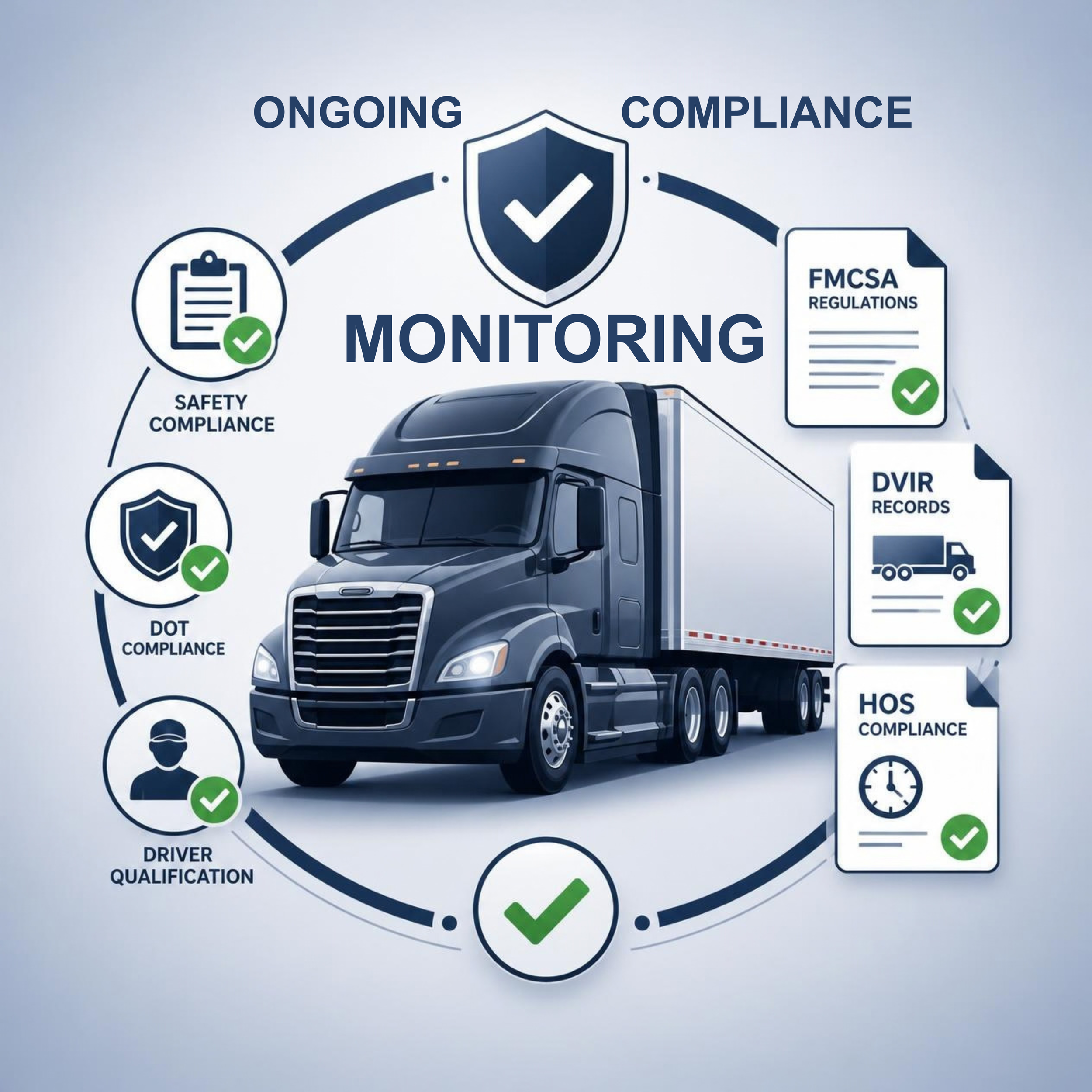
Monitor: Ongoing Compliance Monitoring
Achieving compliance is only the beginning. Altius Transportation Compliance LLC offers ongoing compliance monitoring to help trucking companies maintain the standards established during the initial audit and throughout their day-to-day operations. Through periodic reviews of driver qualifications, hours-of-service records, vehicle inspections and maintenance records, required documentation, and other applicable Title 49 CFR requirements, Altius helps identify potential compliance issues before they become violations or enforcement concerns. For companies transporting hazardous materials, monitoring can also include applicable DOT and PHMSA requirements, helping ensure that required hazardous materials documentation, training, shipping papers, markings, labels, placards, and operating procedures remain current and compliant. Our goal is to provide companies with continued oversight, accountability, and practical guidance so compliance becomes an ongoing part of their operation—not simply something addressed when an inspection or audit is approaching.